V News (page 6)

Image of white and dull pinkish tablets alongside vitamin capsules; featured image for Walk In GYN's blog post 'Daily Supplements for Women’s Health'

Daily Supplements for Women’s Health

If you are under stress, taking antibiotics, traveling or simply want to promote your health, taking Probiotics daily will maintain the health-promoting good bacteria in your intestinal tract. Wear loose fitting clothes and dress in layers.Daily brisk walking for minimum 30 min at least 4 times a week. Use only water based lubricants. No perfumes or cleansing sprays down there.

Insightful tips on how to lose weight effectively!

Are you skipping your breakfast to lose weight? Here’s why its not such a great idea! http://www.womenshealthmag.com/weight-loss/increase-metabolism?lang=en&utm_campaign=SendToFriend&adbid=585472342949765120&cid=socWL_20150407_43343726&adbpr=25087685&utm_content=article&utm_source=email&part=sendtofriend&utm_medium=article&adbpl=tw&position=0&china_variant=False&uid=0

Vaginal Discharge – Causes and Diagnosis

VAGINITIS – Evaluation of Abnormal Vaginal Discharge   Vaginitis is the general term for disorders of the vagina caused by infection, inflammation, or changes in the normal vaginal flora. Symptoms include vaginal discharge, odor, itching, and/or discomfort. These symptoms are extremely common…

QR code of this post.

QR Code

Categories

Latest Posts

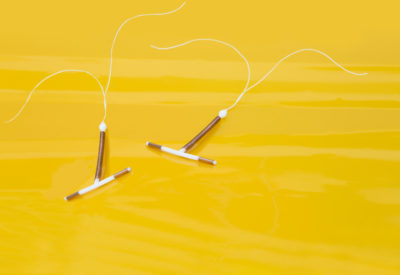
Two IUDs on a yellow background; featured image for Walk In GYN's blog post 'IUD insertion – What to expect?'

IUD insertion – What to expect?

IUD CHECKLIST

You have decided to proceed with an IUD for birth control. This is how to prepare for your visit prior to the insertion.

At the office visit prior:

  • Pap/ STD testing up to-date.
  • Sonogram to check uterine cavity done.
  • Paper work signed.

You will get a call from us to inform that we have the IUD.

If you don’t hear from us in 2 weeks, please call us or email us.

For IUD insertion visit:

  • Call on Day 1 of period to schedule IUD insertion. Needs to be done towards the end of the period.
  • Please eat something at least 1-2 hours before appt.
  • Take 600 mg Ibuprofen (if not allergic) after food 1 hour before appt. OR Tylenol (1000mg) if allergic to Ibuprofen.
  • Follow up appt. in 1 month for sonogram to check IUD placement.
  • Expect cramping for 2-3 days after procedure and next few periods.
  • Can take Ibuprofen (600mg) or Tylenol (650mg) every 6-8 hrs for that pain.
  • Check IUD by Ultrasound once a year.

IUDs – HOW TO MAKE THAT CHOICE?

What is an intrauterine device (IUD)?

The intrauterine device (IUD) is used to prevent pregnancy. It’s a small, plastic, T-shaped device. Your doctor places the IUD in your uterus.

You have a choice between a hormonal IUD and a copper IUD.

The hormonal IUD prevents pregnancy by damaging or killing sperm. It also releases a type of the hormone progestin. Progestin prevents pregnancy in these ways: It thickens the mucus in the cervix. This makes it hard for sperm to travel into the uterus. It also thins the lining of the uterus, which makes it harder for a fertilized egg to attach to the uterus. Progestin can sometimes stop the ovaries from releasing an egg each month (ovulation).

There are two hormonal IUDs. One prevents pregnancy for 5 years, and the other prevents pregnancy for 3 years. Once you have it, you don’t have to do anything else to prevent pregnancy.

The copper IUD is wrapped in copper wire. Copper IUDs prevent pregnancy by making the uterus and fallopian tubes produce a fluid that kills sperm.

The copper IUD prevents pregnancy for 10 years. Once you have it, you don’t have to do anything else to prevent pregnancy.

A string tied to the end of the IUD hangs down through the opening of the uterus (called the cervix) into the vagina. You can check that the IUD is in place by feeling for the string. The IUD usually stays in the uterus until your doctor removes it.

How well does it work?

In the first year of use:

  • When the hormonal IUD is used exactly as directed, fewer than 1 woman out of 100 has an unplanned pregnancy.
  • When the copper IUD is used exactly as directed, fewer than 1 woman out of 100 has an unplanned pregnancy.

Be sure to tell your doctor about any health problems you have or medicines you take. He or she can help you choose the birth control method that is right for you.

What are the advantages of an IUD?

  • An IUD is one of the most effective methods of birth control.
  • It prevents pregnancy for 3 to 10 years, depending on the type. You don’t have to worry about birth control during this time.
  • It’s safe to use while breast-feeding.
  • IUDs don’t contain estrogen. So you can use an IUD if you don’t want to take estrogen or can’t take estrogen because you have certain health problems or concerns.
  • An IUD is convenient. It is always providing birth control. You don’t need to remember to take a pill or get a shot. You don’t have to interrupt sex to protect against pregnancy.
  • hormonal IUD may reduce heavy bleeding and cramping.

What are the disadvantages of an IUD?

  • An IUD doesn’t protect against sexually transmitted infections (STIs), such as herpes or HIV/AIDS. If you aren’t sure if your sex partner might have an STI, use a condom to protect against disease.
  • A copper IUD may cause periods with more bleeding and cramping.
  • You have to see a doctor to have an IUD inserted and removed.
  • You have to check to see if the string is in place.

How to prepare for an IUD insertion?

  • It can be a daunting idea to go for an IUD insertion. We recommend taking Advil or Ibuprofen 600 mg about 30 min before the insertion. If you are allergic to Ibuprofen, you can take 2 tablets for regular Acetaminophen (Tylenol) before coming in.
  • The insertion should be planned towards the end of your menstrual cycle. Please call the office to schedule insertion when you are on your first day of the period.
  • Do not plan any extensive physical activity the day of insertion, right after the procedure.

Follow-up care is a key part of your treatment and safety. Be sure to make and go to all appointments, and call your doctor if you are having problems. It’s also a good idea to know your test results and keep a list of the medicines you take.

How can you care for yourself at home?

  • You may experience some mild cramping and light bleeding (spotting) for 1 or 2 days. Use a hot water bottle or a heating pad set on low on your belly for pain.
  • Take an over-the-counter pain medicine, such as acetaminophen (Tylenol), ibuprofen (Advil, Motrin), and naproxen (Aleve) if needed. Read and follow all instructions on the label.
  • Do not take two or more pain medicines at the same time unless the doctor told you to. Many pain medicines have acetaminophen, which is Tylenol. Too much acetaminophen (Tylenol) can be harmful.
  • Check the string of your IUD after every period. To do this, insert a finger into your vagina and feel for the cervix, which is at the top of the vagina and feels harder than the rest of your vagina. You should be able to feel the thin, plastic string coming out of the opening of your cervix. If you cannot feel the string, use another form of birth control and make an appointment with your doctor to have the string checked.
  • If the IUD comes out, save it and call your doctor. Be sure to use another form of birth control while the IUD is out.
  • Use latex condoms to protect against sexually transmitted infections (STIs), such as gonorrhea and chlamydia. An IUD does not protect you from STIs. Having one sex partner (who does not have STIs and does not have sex with anyone else) is a good way to avoid STIs.

When should you call for help?

Call 911 anytime you think you may need emergency care. For example, call if:

  • You passed out (lost consciousness).
  • You have sudden, severe pain in your belly or pelvis.

Call your doctor now or seek immediate medical care if:

  • You have new belly or pelvic pain.
  • You have severe vaginal bleeding. This means that you are soaking through your usual pads or tampons each hour for 2 or more hours.
  • You are dizzy or lightheaded, or you feel like you may faint.
  • You have a fever and pelvic pain or vaginal discharge.
  • You have pelvic pain that is getting worse.

Watch closely for changes in your health, and be sure to contact your doctor if:

  • You cannot feel the string, or the IUD comes out.
  • You feel sick to your stomach, or you vomit.
  • You think you may be pregnant.

See full video here

Be safe, be strong and be prepared.

Walk In GYN Team


Colposcope; featured image for Walk In GYN's blog post 'Colposcopy – What to expect'

Colposcopy – What to expect?

What is a colposcopy?

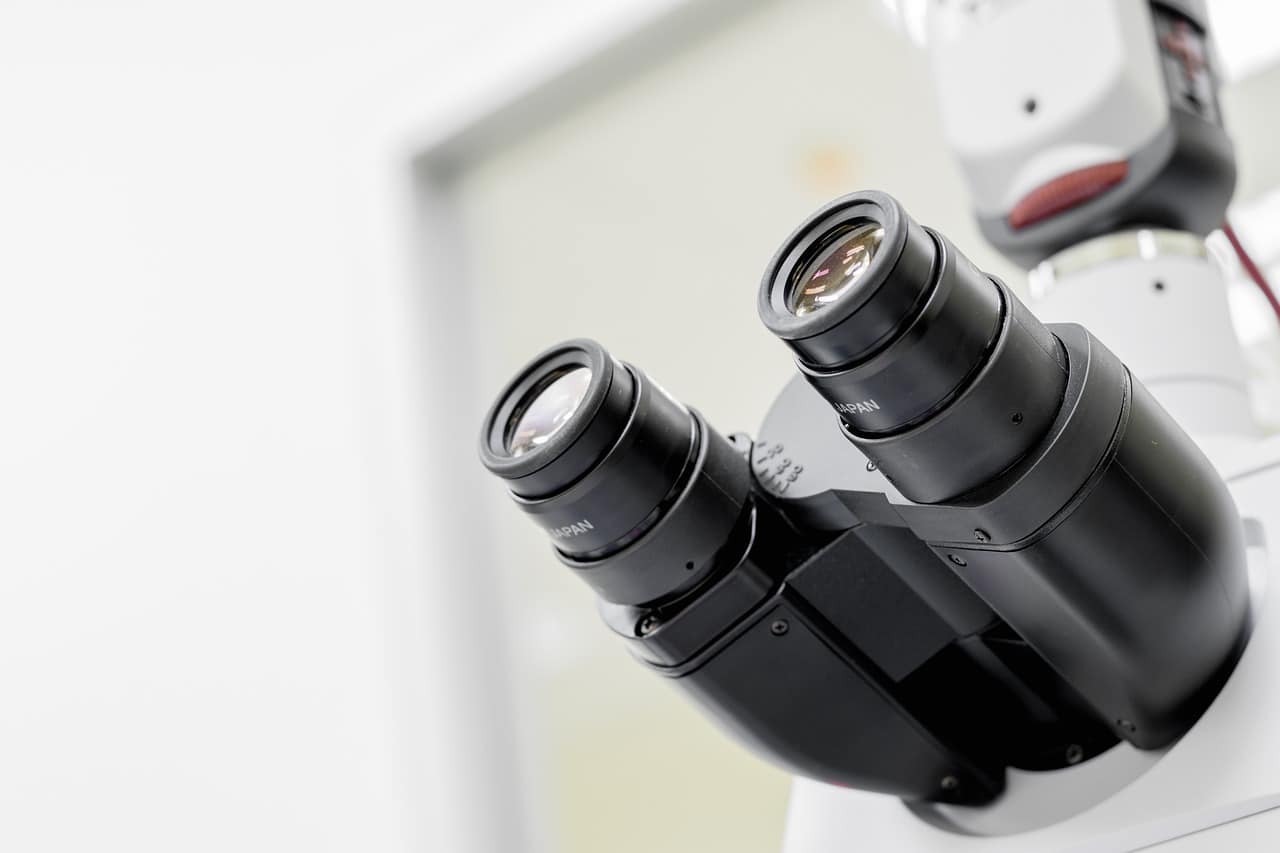
Colposcopy lets a doctor look at your vulva, vagina, and cervix. If the doctor sees a possible problem, he or she can take a small sample of tissue. Then another doctor studies the tissue under a microscope. This is called a biopsy.
Most women have this procedure after they have abnormal results from a Pap test.

How is the test performed?
During the test, your doctor puts a lubricated tool into your vagina. This is called a speculum. It gently spreads apart the sides of your vagina. This allows your doctor to see inside your vagina and the cervix. The doctor also uses a magnifying device to help him or her see better. This device does not go inside your vagina.
The doctor may put diluted vinegar or iodine on your cervix. This can help the doctor to see any areas that are not normal. Sometimes the doctor also takes photos or videos.
When the speculum goes in, it can feel a little uncomfortable. If the doctor does a biopsy, you may feel a pinch and have some cramping.

How should I follow up?
Follow-up care is a key part of your treatment and safety. Be sure to make and go to all appointments, and call your doctor if you are having problems. It’s also a good idea to know your test results and keep a list of the medicines you take.
What happens before the procedure?
Procedures can be stressful. This information will help you understand what you can expect. And it will help you safely prepare for your procedure.
Preparing for the procedure
• Tell your doctor if:
o You are having your menstrual period. This test usually is not done during your period. This is because blood makes it harder to see your cervix.
o You are or might be pregnant. A blood or urine test may be done to see if you are pregnant. Colposcopy is safe during pregnancy. The chance of miscarriage is very small. But you may have some bleeding from a biopsy.
o You take blood thinners, such as warfarin (Coumadin), clopidogrel (Plavix), or aspirin.
• Do not douche, use tampons, have sexual intercourse, or use vaginal medicines for 24 hours before the test.
• Understand exactly what procedure is planned, along with the risks, benefits, and other options.
• Tell your doctors ALL the medicines, vitamins, supplements, or herbal remedies you take. Some of these can increase the risk of bleeding.
• Your doctor will tell you which medicines to take or stop before your procedure. You may need to stop taking certain medicines a week or more before the procedure. So talk to your doctor as soon as you can.
What happens on the day of the procedure?
• You may want to take a pain reliever 30 to 60 minutes before the test. This can help reduce any cramping pain from a biopsy. Ibuprofen (Advil or Motrin) is a good choice.
• Take a bath or shower before you come in for your procedure. Do not apply lotions, perfumes, deodorants, or nail polish.
At the doctor’s office
• Bring a picture ID.
• The procedure will take about 15 to 30 minutes.
Going home
• You will be given more specific instructions about recovering from your procedure.
When should you call your doctor?
• You have questions or concerns.
• You don’t understand how to prepare for your procedure.
• You become ill before the procedure (such as fever, flu, or a cold).
• You need to reschedule or have changed your mind about having the procedure.
Care instructions adapted under license by Adeeti Gupta Physician PC. This care instruction is for use with your licensed healthcare professional. If you have questions about a medical condition or this instruction, always ask your healthcare professional.

To view this in Spanish and Chinese, click here.

Be safe, be strong and be prepared.

Your friendly Walk In GYN Care team!

Ladies be Safe! Rising Chlamydia rates!

Ladies be Safe!!!


Rising STD rates in the United States


In the United States alone, there are nearly 20 million cases of new sexually transmitted infections yearly, from just eight viruses and bacteria, according to data from the Centers for Disease Control and Prevention (CDC).


The eight most common STDs in the U.S. are chlamydia, gonorrhea, hepatitis B virus (HBV), genital herpes, HIV, human papillomavirus (HPV), syphilis and trichomoniasis. About 50.5 million of these current infections are in men, and 59.5 million are in women, according to the CDC’s 2013 report, in which the researchers looked at 2008 data.

Each year, new cases of STDs cost nearly $16 billion in direct medical costs. Fifty percent of these new infections occur in young people, ages 15-24, even though this age group represents only a quarter of people who have had sex.

  1. How can Chlamydia be detected?

Chlamydia can be easily detected by a vaginal swab or culture during a routine pap smear. Chlamydia can also be tested in the urine if you are uncomfortable with a pelvic exam. Chlamydia is the most commonly reported STD in the United States. But most people with chlamydial infections may not show any symptoms, and so the number of actual infections is much higher than the number of those reported, which was 1.4 million in 2012, or a rate of 457 cases per 100,000 people.

  1. How is Chlamydia cured?

It is easy to cure chlamydia – it is a bacterial infection treated with antibiotics.

  1. What if Chlamydia is not cured?

If left untreated, the infection can make it difficult for a woman to get pregnant. An untreated chlamydial infection can cause pelvic inflammatory disease (an infection of the reproductive organs), in about 10 to 15 percent of infected women, and lead to infertility.

  1. How can you make sure Chlamydia has been treated?

You need to visit your gynecologist 3 months after the treatment to make sure it is out of your system.

  1. Does your partner need to be treated?

Yes, your current and prior partners need to be traced and treated to avoid spread of Chlamydia in the community. Male partners may not have any symptoms, thereby making detection hard. The antibiotics are recommended for all partners, who should also be tested subsequently for “test of cure”. Protection should be used until test of cure culture has been confirmed negative.
 

Stay tuned for more….


Adeeti Gupta MD, FACOG

White pills on a green leaf; featured image for Walk In GYN's blog post 'BV or Yeast – Little Known Facts'

BV or Yeast – Little Known Facts

Here are 10 little known facts about that smelly vaginal discharge you so abhor!!

1. All Vaginal discharge are not infectious.  Recurrent and persistent mixed vaginal infections can now be accurately diagnosed by a vaginal culture which can be performed through the Pap smear test at the same time.

2. Mixed infections with Candida (Yeast) and BV (Bacterial Vaginosis) are more common than you think. 70% of episodes of vaginitis are caused by BV and Yeast.

3. For most women, Vaginitis resolves without any difficulty.

4. Feminine hygiene products, panty liners and douches need to be retired and sent to the land far far away.

5. BV is not an STD! However, partner treatment may help reduce recurrent infections. Long term (6 months) weekly courses of vaginal metronidazole gel after an initial 1 week treatment with oral metronidazole or Tinidazole may be needed if you have recurrent bacterial infections.

6. Your daily chores after a work-out can wait. Excessive sweating, swimming in the pool, hanging out at the beach, wearing tight clothing for long durations can cause vaginal pH imbalance. One needs to hit the shower as soon as possible after a work-out to avoid that irritating BV or Yeast from haunting us.

7. Using mild soaps with no fragrances or irritants is the key. Look for the “water-based” on the label if you use vaginal lubricants!

8. Barrier creams like A&D cream, Aquaphor or the baby diaper rash creams go a long way in preventing chafing and irritation down there.

9. Oral Probiotics supplementation (50 billion CFU daily) in the right amounts daily is the key in healing and preventing recurrent infections.

10. Recurrent Yeast infections may need long term weekly courses of Fluconazole tablets (Need to be prescribed by your OBGYN with caution). Vaginal Boric acid suppositories (compounded by a pharmacist) may help in those persistent infections caused by the resistant yeast.

For more detailed discussion, check out our video series at That’svagenius.


Be safe, be strong and be prepared.

Your friends at Walk In GYN Care

#justwalkin


Half white clay figure standing at the entrance of a maze, slightly bending to peek inside; featured image for Walk In GYN's blog post 'Do’s and Don’ts! Vaginal health simplified'

Do’s and Don’ts! Vaginal health simplified…

Simplified tips to promote your vaginal and overall health.

DO’S

  • Drink at least 15-20 glasses of water daily.
  • At least one serving of fresh fruit (mainly berries, bananas etc) daily.
  • Fresh tomatoes, yellow, orange sweet peppers are high in anti-oxidants
  • Consume whole grain bread, rice or quinoa. These are foods with low glycemic index and help your weight in check and regulate your bowels.
  • Plenty of greens like cauliflower, Brussels, Kale
  • Fresh plain yoghurt
  • Cotton underwear
  • Shower right away after work out or after being on the beach
  • Wear loose fitting clothes and dress in layers.
  • Daily brisk walking for minimum 30 min at least 4 times a week
  • Use only water based lubricants like astroglide, pre – seed, slippery stuff.
  • Replens/ Rephresh are available for daily use as vaginal moisturizers and are pH’s balancing.


DON’TS

  • No white bread, avoid white rice or simple carbs ( highly processed foods).
  • Avoid carbonated sodas and sugary drinks
  • Do not drink caffeinated beverages before bedtime
  • Avoid spicy, greasy foods if you have frequent heartburn issues.
  • Cut down on your cheese and sugar intake
  • Do not use aspartame and artificial sweeteners like splenda. They commonly cause stomach upset.
  • No panty liners
  • No sprays/ perfumes/ powders/ douches or any chemicals down there.


If you are under stress, taking antibiotics, traveling or simply want to promote your health, taking Probiotics daily will maintain the health-promoting good bacteria in your intestinal tract. This is important because the intestines are the largest immune organ in the body and promoting their health strengthens your body’s overall natural defenses. If the balance is disrupted, this can leave a comprised immune response. Fortunately, taking Probiotics supplements can help sustain the digestive tracks balance by re-introducing beneficial bacteria.

By

Adeeti Gupta MD, FACOG

Our practice does not endorse any specific brands and has no financial relationships with any brand or stores.

Image of white and dull pinkish tablets alongside vitamin capsules; featured image for Walk In GYN's blog post 'Daily Supplements for Women’s Health'

Daily Supplements for Women’s Health

Recommended daily intake to boost your general health, energy levels, bowel problems, recurrent vaginal infections and immunity


Over the counter supplements 
PROBIOTICS – 10 Billion CFU daily or twice daily depending on the symptoms
DHA- Omega 3 – 1000mg daily
Vitamin D-3 – 1000IU daily
Flax seed oil 2 capsules daily
Evening primrose oil 2 tablet PO daily
Daily Multivitamins 1 tablet daily
Calcium citrate – 2 tablet daily 0f 600mg each
Coenzyme Q 200mg PO dailyAlso – with Metformin for PCOS
Glucosamine/ Chondroitin 2 tablets daily
Chasteberry – for PCOS/ PMS/ Perimenopause (only after consultation)
Saw Palmetto – for PCOS (only after consultation)
Black Cohosh – for Perimenopause/ menopause (Only after consultation)
Rhodiola, Ginseng – for stress
Unisom – sleep aid
Valerian root – sleep aid


All or most of the above are available at routine pharmacies or health food stores. Our practice does not endorse any specific brands and has no financial relationships with any brand or stores.

DO’S

  • Drink at least 15-20 glasses of water daily
  • At least one serving of fresh fruit ( mainly berries, bananas etc) daily.
  • Fresh tomatoes, yellow, orange sweet peppers are high in anti-oxidants
  • Consume whole grain bread, rice or quinoa. These are foods with low glycemic index and help your weight in check and regulate your bowels.
  • Plenty of greens like cauliflower, brussels, Kale
  • Fresh plain yoghurt
  • Cotton underwear
  • Shower right away after work out or after being on the beach
  • Wear loose fitting clothes and dress in layers.
  • Daily brisk walking for minimum 30 min at least 4 times a week
  • Use only water based lubricants like astraglide, pre – seed, slippery stuff.
  • No perfumes or cleansing sprays down there.


DONT’S

  • No white bread, avoid white rice.
  • Avoid carbonated sodas and sugary drinks
  • Do not drink caffeinated beverages before bedtime
  • Avoid spicy, greasy foods if you have frequent heartburn issues.
  • Cut down on your cheese and sugar intake
  • Do not use aspartame and artificial sweeteners like splenda. They commonly cause stomach upset,


If you are under stress, taking antibiotics, traveling or simply want to promote your health, taking Probiotics daily will maintain the health-promoting good bacteria in your intestinal tract. This is important because the intestines are the largest immune organ in the body and promoting their health strengthens your body’s overall natural defenses. If the balance is disrupted, this can leave a comprised immune response. Fortunately, taking Probiotics supplements can help sustain the digestive tracks balance by re-introducing beneficial bacteria.


Insightful tips on how to lose weight effectively!

Are you skipping your breakfast to lose weight? Here’s why its not such a great idea!

http://www.womenshealthmag.com/weight-loss/increase-metabolism?lang=en&utm_campaign=SendToFriend&adbid=585472342949765120&cid=socWL_20150407_43343726&adbpr=25087685&utm_content=article&utm_source=email&part=sendtofriend&utm_medium=article&adbpl=tw&position=0&china_variant=False&uid=0

Dr. Gupta takes on “Low Libido” in Women!

Why can’t I get a pill? My partner will leave me! I don’t have any desire to have sex! No appetito! What can I do?


Above are some of the most common refrains heard of amongst close friends or women asking their GYN’s. Mostly they have no answers. We may be close…


  1. What is low sexual desire and does it even exist in women?


Hypo-active sexual desire (low libido) is common among women of all ages and lifestyles. Many women are reluctant to speak out about this severely distressing problem. They may feel inhibited by, social or cultural expectations. Sexual intimacy starts to take a back seat until the problem becomes overwhelming and starts to affect their relationships negatively.


  1. Viagra for women, why not?


There has been a proliferation of recent research and clinical interest in sexual pharmacology especially after the advent of Viagra. The launch of Sildenafil citrate (Viagra) for erectile dysfunction was a defining event in modern medicine. However, this did not help resolve the sexual problems that women experience. Decreased desire, painful sex, inability to achieve orgasm and other sexual problems, which may stem from physical, emotional, physiological or cultural issues are rampant but not openly talked of!


  1. So, if not Viagra, then what?


Flibanserin is an investigational, once-daily, non-hormonal drug and if approved would be the first and only post-synaptic 5HT1A receptor agonist and 5HT2A receptor antagonist available for the treatment of premenopausal women with HSDD. Flibanserin may work by restoring prefrontal cortex control over the brain’s motivation/rewards structures enabling sexual desire to manifest. Specifically, Fibanserin increases dopamine and norepinephrine while transiently decreasing serotonin in the brain’s prefrontal cortex, which may be accomplished by reduced glutamate transmission.


  1. Since I can’t have Viagra, what can I do to improve my sex life?


Being a multifaceted disorder, the treatment approach can be daunting and complex. I can only attempt to break down the basics of approaching the issue. A detailed breakdown and some useful hints can be found at

http://www.fusiongyn.com/sex-therapy/

Urgent Care Gynecologist

Women often have urgent care issues that need to be addressed in an Urgent Care Women’s Health setting. However, the routine appointments with the GYN are hard to get in a reasonable time frame. There by women need to be aware that if there are any of the below listed symptoms, you may want to see a women’s health specialist’s help urgently.


Various reasons for Women to visit Urgent Care Gynecologist


  1. Sudden onset lower abdominal pain
  2. Missed period with pelvic pain
  3. Missed period with heavy vaginal bleeding
  4. Missed period with positive pregnancy test with pelvic pain
  5. Nausea/ vomiting with pregnancy
  6. Sudden fainting with missed periods
  7. Heavy vaginal bleeding with or without passage of clots
  8. Positive pregnancy test with pelvic pain
  9. Foul smelling discharge
  10. Severe vaginal irritation with or without discharge
  11. Painful urination or burning while urination.
  12. Migraines with periods
  13. Painful periods
  14. Painful periods with vomiting
  15. Sharp stabbing lower abdominal pain, which comes, and goes.
  16. Bleeding after Sex
  17. Emergency contraception after accidental unprotected sex (e.g. condom broken)
  18. Rape
  19. Sexual intercourse without consent.
  20. STD testing


The above symptoms could be an indication of some serious conditions such as Ovarian torsion (twisted ovary), Endometriosis, Miscarriage, Ectopic pregnancy (pregnancy outside the uterus), Pelvic Inflammatory Disease (PID), STD’s, Undiagnosed pregnancy etc.


Experiencing any of the above symptoms should encourage women to seek help of a Women’s health specialist (OBGYN) sooner rather than later so that there are no long term residual effects from treatment delay.


Stay Tuned


Adeeti Gupta MD, FACOG

Vaginal Discharge – Causes and Diagnosis

VAGINITIS – Evaluation of Abnormal Vaginal Discharge


Vaginitis is the general term for disorders of the vagina caused by infection, inflammation, or changes in the normal vaginal flora. Symptoms include vaginal discharge, odor, itching, and/or discomfort. These symptoms are extremely common and frequently lead to self-treatment. In a survey of random women in the United States, a healthcare professional was consulted in only 50-80% of the situations and most women purchased an over-the-counter antifungal preparation to treat their symptoms, whether or not they saw a physician.


The vaginal epithelium (or lining) in women of reproductive age is rich in glycogen. Lactobacilli help maintain the vaginal pH between 4.0 to 4.5 (acidic) with the help of strain of lactobacilli called Doderlein’s bacteria. This acidity is needed to maintain the normal vaginal flora and prevent the growth of pathogenic organisms. Disruption of the normal ecosystem can lead to conditions favorable for development of vaginitis. Some of these disruptive factors include phase of the menstrual cycle, sexual activity, contraceptive choice, pregnancy, foreign bodies, estrogen level, sexually transmitted diseases, and use of hygienic products or antibiotics.


Normal discharge may be yellowish, slightly malodorous, and accompanied by mild irritative symptoms. However, if it is not accompanied by itching, pain, burning or significant irritation. Presence of the latter associated symptoms signifies pH imbalance and presence of vaginal infection or vaginitis.


The severity of symptoms correlates with the extent of inflammation. Candida vulvovaginitis (yeast) often presents with marked irritative symptoms such as itching and soreness, but scant discharge (thick, white, odorless, and curd-like). In contrast, Bacterial Vaginosis is associated with only minimal inflammation and minimal irritative symptoms, but the thin, gray or yellow, malodorous discharge is a prominent complaint. Women may complain of a fishy smell or yellowish green discharge. Trichomoniasis is characterized by purulent, malodorous, thin discharge, which may be accompanied by burning, itching, painful urination, frequency, and/or painful intercourse. The vulva also may be affected by candidiasis or yeast infection but not by bacterial vaginosis. Symptoms of candidal vulvovaginitis often occur in the premenstrual period, while symptoms of trichomoniasis often occur during or immediately after the menstrual period.


Vaginal pH — Measurement of vaginal pH is the single most important finding that drives the diagnostic process and should always be determined. A pH test stick (or pH paper if available) is applied for a few seconds to the vaginal sidewall (to avoid contamination by blood, semen, or cervical mucus which pool in the posterior fornix and distort results). Alternatively, the vaginal sidewall can be swabbed with a dry swab and then the swab rolled onto pH paper (if available). The pH of the specimen is stable for about two to five minutes at room temperature. The swab should not be pre-moistened, as the moistening liquid can affect pH.

Narrow range pH paper (4.0 to 5.5) is easier to interpret than broad range paper (4.5 to 7.5). An elevated pH in a premenopausal woman suggests infections such as bacterial vaginosis (pH>4.5) or trichomoniasis (pH 5 to 6), and helps to exclude candida vulvovaginitis (pH 4 to 4.5).

The pH of the normal vaginal secretions in premenopausal women is 4.0 to 4.5 because these women have relatively high estrogen levels. Under the influence of estrogen, the normal vaginal epithelium stabilizes and produces glycogen. In the age groups of women before puberty and after menopause, the pH of the normal vaginal secretions is ≥4.7. The higher pH is due to less glycogen in epithelial cells and reduced lactic acid production. Thus measurement of pH for diagnosis of bacterial vaginosis, trichomoniasis, or candidiasis is less useful at the extremes of age.

Vaginal pH may be altered (usually to a higher pH) by contamination with lubricating gels, semen, douches, and intravaginal medications. In pregnant women, leakage of amniotic fluid raises vaginal pH.


DIAGNOSTIC OPTIONS


Microscopy- Taking a sample of the fluid and examining under the microscope used to be the standard method of evaluation of abnormal vaginal discharge. However, now there are many modern techniques available to accurately diagnose the type of infection to help in the right treatment.


The commercially available tests include rapid antigen and nucleic acid amplification tests are used for confirming the clinical suspicion of bacterial vaginosis or trichomonas vaginitis. The PCR tests can be used for typing and identification of various species of Candida (yeast)

Cervical culture — A diagnosis of cervicitis, typically due to Neisseria Gonorrhea or Chlamydia trachomatis, must always be considered in women with purulent cervical discharge since women with this disorder may go on to develop PID and its potential complications. Any women with new or multiple sexual partners, a symptomatic sexual partner, or an otherwise unexplained cervical or vaginal discharge that contains a high number of white cells should alert the physician for the presence of these organisms, by culture or an alternative sensitive test.

Your health care provider will take a vaginal swab while doing a speculum examination of the vagina. It is like a “pap” exam but the type of swab used by the provider is different. The doctor may also use a pH strip to test the pH of the vaginal secretions to help aid diagnosis. The swab is then sent for testing to the lab via the techniques mentioned above. The results take approximately 3-7 days. The physician may treat if the discharge is highly suggestive and then offer follow up treatment if the cultures show differently.

Difficult diagnosis: Even after a thorough evaluation, 25 to 40 percent of women with genital symptoms may not reveal a specific cause.


Non-infective causes

Irritants and allergens — Vaginal discharge can result from irritants (e.g., scented panty liners, spermicides, povidone-iodine, soaps and perfumes, and some prescription and nonprescription topical medications) and allergens (e.g., latex condoms, topical antifungal agents, seminal fluid, chemical preservatives) that produce acute and chronic hypersensitivity reactions, including contact dermatitis. Women from the developing world may have vaginal practices or use traditional products and medicines that have adverse effects [12].

Diagnosis and management involve identifying and eliminating the offending agent by taking a thorough history and systematically removing potential irritants and allergens from the urogenital environment. Symptom/contact diaries may be helpful.


Estrogen status – Is the woman menopausal or otherwise hypo estrogenic? Atrophic vaginitis is a common cause of vaginitis in hypo estrogenic women. In premenopausal women, hypo estrogenic settings include the postpartum period, lactation, and during administration of antiestrogenic drugs (and sometimes with low estrogen levels related to contraceptives). Menopausal women receiving hormone therapy may not have adequate estrogen levels for vaginal health and thus remain prone to atrophic vaginitis. Nonspecific signs and symptoms include a watery, white or yellow, and malodorous discharge; vaginal burning or irritation; dyspareunia; and urinary symptoms. Physical findings include thinning of the vaginal epithelium, loss of elasticity, pH ≥5 and pain during examination or intercourse.


Treatment outline

  • Do not self-treat.
  • Do not treat yourself for all possible infections without proper evaluation, culture and diagnosis. The blanket treatment can lead to altering the vaginal pH and lead to either worsening of infection or improper diagnosis and treatment.
  • The following information is vital to reaching the root cause of the problem.
  • Duration of symptoms, the triggering factors, site of symptoms (vulva versus vagina), recent change in sexual partner, recent intake of oral contraceptives, antibiotics, travel, stress or diagnosis of other medical conditions such as diabetes may play an important role in triggering these conditions.
  • Treating the symptoms without delineating the causative factor or agent will not help. The condition will keep recurring and be a source of frustration for both the patient and the health care provider.


Rare causes of persistent vaginal irritation once Candida vaginitis, bacterial vaginosis, and trichomoniasis have been ruled out:

  • If pH is increased, non-infectious causes, such as vaginal atrophy, atrophic vaginitis, erosive lichen planus, lichen sclerosus, desquamative inflammatory vaginitis, bacterial vaginosis should be considered.
  • If pH is normal, the vagina is likely to be normal with normal bacterial environment, so focus needs to be on the most common vulvar and external causes of vulvovaginal symptoms, such as contact or irritant dermatitis and seborrheic or eczematoid dermatitis etc.
  • Group A streptococcal vaginitis is associated with a normal or mildly increased pH, but this is a rare disease.

 Stay tuned for a follow up segment on treatment and prevention of vaginal infections/ itching/ abnormal discharges etc. 

Adeeti Gupta MD, FACOG