V News

This is a blog page excerpt text here. You can set a short description of your blog or news section. If the “Excerpt” field is not visible on the page edit screen, enable it in Screen Options in the upper right corner of your WordPress dashboard.
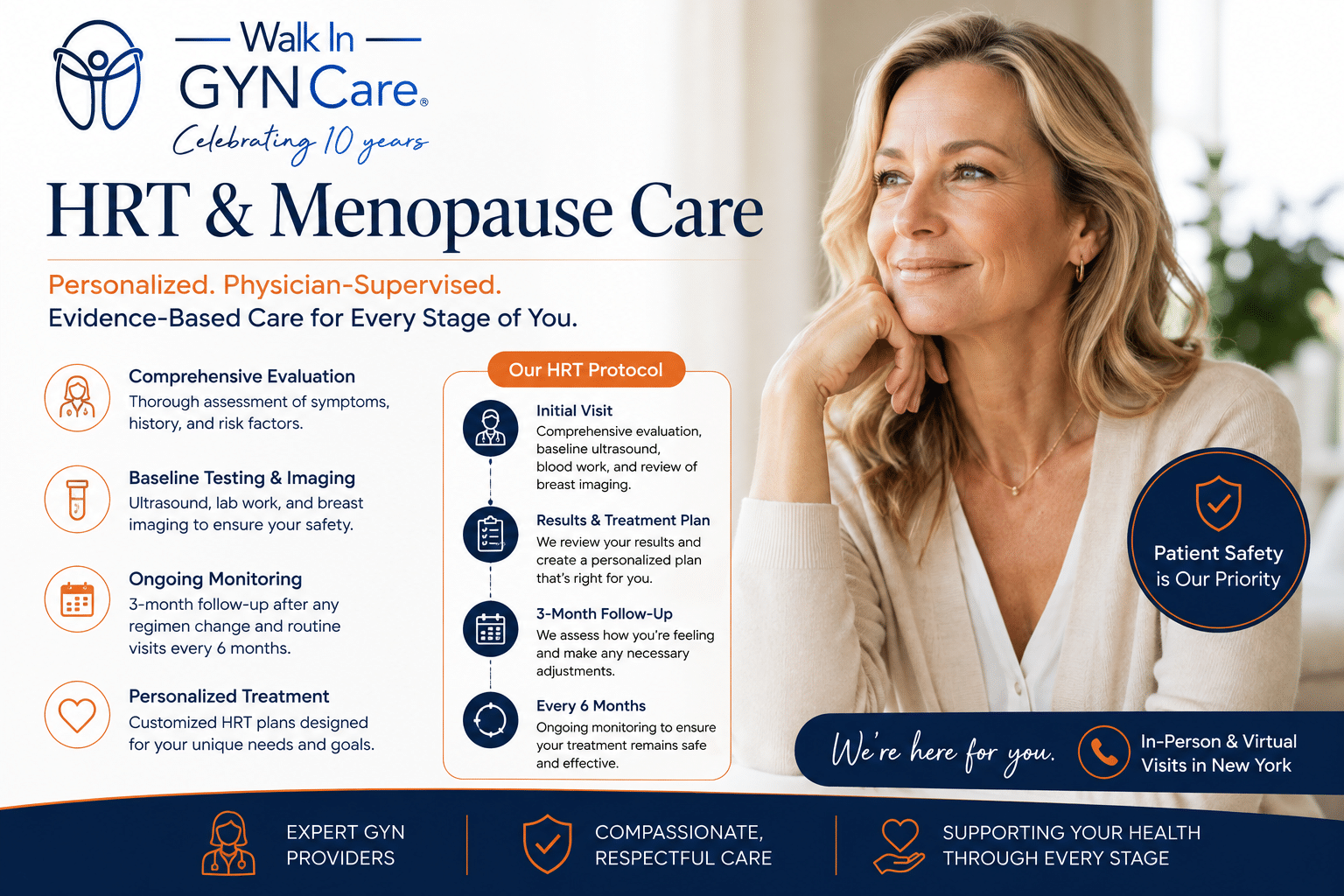
Image of a happy woman talking about HRT at Walk IN GYN Care

FDA Removes Black Box Warning on Hormone Replacement Therapy: What It Means for You

The FDA has officially removed the black box warning on Hormone Replacement Therapy—an important shift for women’s health. At Walk In GYN Care, we break down what this update really means, how HRT can be used safely, and why personalized evaluation is still essential.
A smiling woman planning to conceive writing in a notebook with a fertility calendar in the background — representing preconception counseling and pregnancy planning at Walk In GYN Care

Preconception Counseling: Your Complete Checklist Before Trying to Conceive

Thinking about starting a family? 🌸 At Walk In GYN Care, our preconception counseling guide helps you prepare your body and mind for pregnancy. Learn how to track ovulation, optimize nutrition, and build a fertility-friendly lifestyle before you conceive.

Image of avocados showing benefits of avocados for womens health at Walk In GYN Care

Can Eating Avocados Lower Your Risk of Heart Disease? Here’s What the Science Says!

At Walk In GYN Care, we believe prevention is the best medicine—and that starts with your plate. A new study published in the Journal of the American Heart Association reveals compelling evidence that eating avocados regularly may significantly reduce the…

Woman wondering top 5 gynecological questions to ask at Walk In GYN Care

Top 5 Embarrassing GYN Questions (That You Should Absolutely Ask!)

Many women hesitate to ask their gynecologist important questions about discharge, periods, libido, or STDs due to embarrassment. At Walk In GYN Care, we’re breaking the stigma. This article answers the top 5 questions women are often too shy to ask—so you can take charge of your health with confidence.
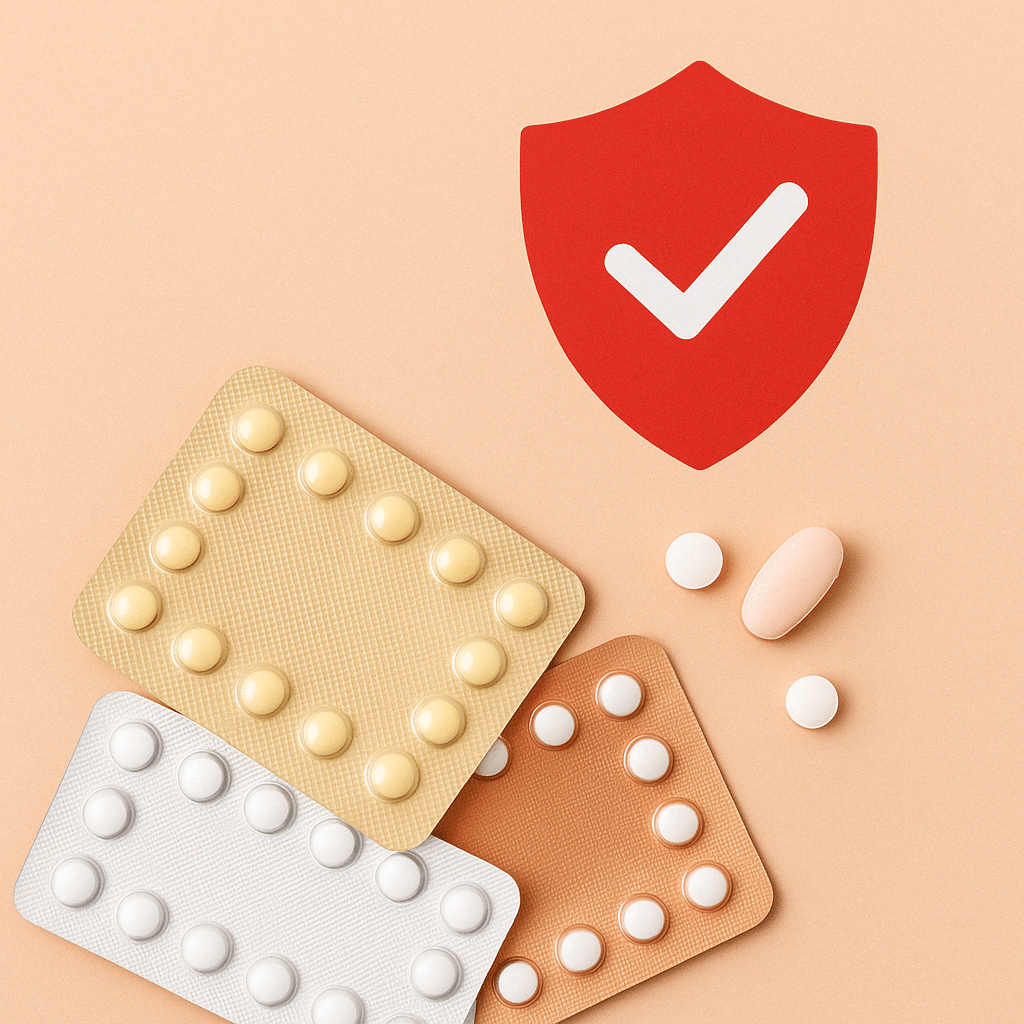
Oral contraceptive blister packs with safety symbol, representing birth control pill safety, prescription regulations, and women’s health care at Walk In GYN Care.

Prescription birth control – myths and facts!

Oral contraceptives have empowered generations of women, but they’re not always a one-size-fits-all solution. In this article, Walk In GYN Care dives into the facts, myths, and medical realities surrounding “the pill.” From how it works to when it might not be the safest choice, we explain why personalized care and regular evaluations are essential for safe and effective birth control.

Showcasing a Smiling women on Walk In GYN annual visit blog post.

ANNUAL VISIT: AGE-APPROPRIATE GUIDELINES AND WHAT IS “COVERED”

An annual “preventative” visit provides a unique opportunity for you and your GYN to;
– conduct a thorough history (menstrual, medical, GYN, social and family)
– screen for domestic violence and other high-risk factors
– assess risk factors,
– conduct a physical exam (appropriate for your age and circumstance)
Lead and arsenic in tampons, WIG, Walk In GYN

Tampons- lead- heavy metals- VOCs- plastics and more!!

Ok, now we know you have toxins or heavy metals, what next?

This is called precision medicine! We can now target specific issues and customize treatment plans which can help detoxify your body of these harmful toxins through chelation (oral or i/v) and other comprehensive strategies that help raise the anti-oxidant levels to remove the toxin load.

QR code of this post.

QR Code

Categories

Latest Posts

Image of a happy woman talking about HRT at Walk IN GYN Care

FDA Removes Black Box Warning on Hormone Replacement Therapy: What It Means for You

By Dr. Adeeti Gupta, Founder, Walk In GYN Care

On November 10th, 2025, the FDA officially removed the black box warning on Hormone Replacement Therapy (HRT)—a major milestone for women’s health. After the WHI and Nurses’ Health studies created years of confusion and fear around HRT, many women were suddenly pulled off therapy, and medical education around hormones nearly disappeared. This led both patients and providers to avoid HRT, often at the expense of women’s long-term health, quality of life, and aging.

At Walk In GYN Care, my extensive training in physiology, biochemistry, and longevity medicine has allowed me to safely prescribe and teach HRT protocols long before this FDA update. Our entire clinical team is uniquely trained to practice whole-body, root-cause–focused hormone restoration, not symptom-based patchwork care.

Since this announcement, we’ve received a flood of questions—so let’s clear up the most important ones.

1. Now That the Black Box Warning Is Gone, Will Insurance Cover My HRT?

We wish it were that simple—unfortunately, it’s not.

Insurance companies operate independently of the FDA, and coverage decisions often lag behind new policy changes. Even if your insurance eventually approves HRT coverage:

Your co-pay, co-insurance, or deductible will still apply

Not all formulations, doses, or delivery methods will be covered

Insurance rules vary widely between plans

Please don’t hold your provider at fault if your policy does not cover HRT or if out-of-pocket costs apply. We will always tell you your options transparently.

2. Does This Mean I Can Just Walk In and Get HRT?

Not quite. It does mean we can now prescribe HRT more confidently and tailor it to your needs.

But to do so safely, we must still perform:

  • Baseline blood work
  • Pelvic ultrasound
  • Mammogram
  • Detailed medical and symptom history

HRT done correctly is personalized medicine—not a one-size-fits-all approach.

3. “I Want Natural HRT.” What Does That Actually Mean?

The term natural is widely misunderstood. Here’s a quick breakdown:

Plant-Based Hormones

Made from plants but not molecularly identical to human hormones.

Synthetic Hormones

Created in a lab. “Synthetic” doesn’t automatically mean bad—it refers to the manufacturing process.

Animal-Derived Hormones

Extracted from animals (e.g., pregnant mare’s urine).
These are conjugated estrogens, which we do not recommend due to their complex and potentially harmful physiological effects.

Bioidentical Hormones — The Gold Standard

These have the same molecular structure as the hormones your body produced during your reproductive years.

Bioidenticals can be:

  • FDA-approved commercial products, or
  • Custom-compounded formulations from regulated pharmacies

At Walk In GYN Care, we use all approved hormonal options such as bioidentical HRT whenever appropriate for the safest, most physiologic results.

4. My Friend Feels Amazing on HRT. Why Isn’t It Working for Me?

Because your body is not her body.

Hormones interact with dozens of systems. If something deeper is going on, HRT alone may not work—or may even cause side effects like:

  • Bloating or water retention
  • Breast tenderness
  • Weight gain
  • Spotting or abnormal bleeding

If HRT is not working correctly for you or you are having adverse effects, below are some culprits:

  • Chronic inflammation
  • Gut imbalance (IBS, leaky gut)
  • Toxin overload (PFAS, mycotoxins, heavy metals)
  • Cortisol imbalance (“tired but wired”)
  • Genetic or epigenetic differences in estrogen metabolism

This is where my functional hat will need to come in play and we will need to take functional medicine approach using advanced cutting edge testing such as:

  • 30-day hormone mapping
  • Comprehensive gut panels
  • Environmental toxin testing
  • Epigenetic and methylation markers

5. “I Feel Fine Right Now. Should I Still Get Checked?”

Yes—awareness is everything.

Pay attention to early changes such as:

  • Fatigue
  • Low libido
  • Vaginal dryness
  • Brain fog
  • Sleep disturbances
  • Irregular cycles

If you sense your body shifting, come see us. Early intervention leads to better long-term outcomes.

6. What Should I Watch For When Considering HRT?

Abnormal Bleeding

Periods that come too close together, too far apart, or become unusually heavy must be evaluated. These symptoms can signal:

  • Fibroids
  • Precancerous changes
  • Endometrial cancer

Do not ignore abnormal bleeding.

Worsening Bloating, Mood Swings, or Weight Gain on HRT

This often indicates that your hormones are not being metabolized correctly.
If standard HRT is making you feel worse, functional diagnostics can provide the missing answers.

Final Thoughts

At Walk In GYN Care, we prioritize safety, precision, and whole-body women’s health. Whether you choose in-person or virtual care, always work with a certified, well-trained provider. Be cautious of online services that ship hormones without proper evaluation—your hormones deserve more than guesswork.

I also offer a 6-hour masterclass covering everything you need to know about HRT if you want a deep dive into the science.

We’re also launching group HRT classes and community discussions soon.
If you’re interested, simply reply to this email and we’ll add you to the list.

Be safe, be strong, and be prepared.

– Dr. Adeeti Gupta

A smiling woman planning to conceive writing in a notebook with a fertility calendar in the background — representing preconception counseling and pregnancy planning at Walk In GYN Care

Preconception Counseling: Your Complete Checklist Before Trying to Conceive

Preparing for pregnancy is one of the most empowering steps you can take for your health and your future baby’s wellbeing. At Walk In GYN Care, we believe that preconception counseling isn’t just about fertility—it’s about optimizing your whole-body health before conception begins.

Below is your complete pre-conceptional counseling checklist when trying to conceive… with tips on what to consider before you start trying, covering everything from ovulation tracking to nutrition and lifestyle habits.


🩺 Step 1: Understanding Ovulation and Fertility Patterns

Knowing when and how your body ovulates is key to timing conception effectively.
Signs of regular ovulation include:

  • Regular menstrual cycles (typically every 28–35 days)

  • Moliminal symptoms – subtle pre-period signs like breast tenderness, mild cramping, or mood changes

  • Cervical mucus that turns clear, stretchy, and egg-white–like during fertile days

  • Ovulation predictor kits (OPKs) – over-the-counter urine strips that detect LH surge

  • Basal body temperature (BBT) charting – a small rise in temperature indicates ovulation has occurred

💡 Tip: For a 28-day cycle, the fertile window is usually between Day 11–17. Apps like Clue or Flo can help track this easily.

If you have a history of PID (pelvic inflammatory disease), endometriosis, PCOS, or if your partner may have male-factor infertility, consider an early referral to a reproductive endocrinology and infertility (REI) specialist.


🧬 Step 2: Baseline Health Work-Up

Before conception, it’s vital to identify and optimize any underlying health conditions.
At Walk In GYN Care, we recommend the following baseline labs and evaluations:

  • Complete blood count (CBC) and comprehensive metabolic panel (CMP)

  • Full thyroid panel – thyroid imbalances can affect fertility

  • Vitamin panel – including D, B12, folate, and iron

  • Pelvic ultrasound (if indicated)

  • MTHFR/Thrombophilia panel – for those with recurrent miscarriages

  • Fragile X testing if there’s a family history of intellectual disability

  • Ashkenazi Jewish carrier panel for patients of Jewish descent

⚠️ Note: This is not an “ovarian reserve” or fertility test—it’s a health optimization step.


🥗 Step 3: Diet and Lifestyle Optimization (LAMPS Approach)

Your daily choices impact your reproductive health more than you might think.
We follow the LAMPS framework—Lifestyle, Adjuncts, Medical, Physical, Social—for holistic preparation.

🌿 Lifestyle

  • Avoid smoking and vaping

  • Eat organic meats and vegetables whenever possible (DARE).

  • Choose omega-rich small fish (like sardines or kippers) over farm-raised options

  • Limit alcohol and avoid recreational drugs

  • Prioritize 8 hours of sleep nightly

  • Maintain a consistent circadian rhythm—sleep and wake at the same times

  • Practice nightly reflection or gratitude and limit electronics before bed

  • Review EWG’s “Clean 15 and Dirty Dozen lists to minimize pesticide exposure


💊 Adjunct (Over-the-Counter) Supplements

Prenatal optimization essentials:

  • Prenatal multivitamin (any reputable brand)

  • DHA/Omega-3: 1000–1200 mg daily

  • Folic acid: 1 mg daily

  • Probiotics: 10–50 billion CFU

  • Vitamin D: 4000 IU daily

These support healthy ovulation, fetal development, and immune balance.


⚕️ Medical Support

If ovulation issues persist, your provider may recommend Clomid or Letrozole under a standard protocol—followed by a tailored fertility work-up if needed.


🧘 Physical Health

Regular movement improves circulation, hormone regulation, and mood.

  • Exercise at least 5 days/week, alternating cardio and strength training.


🤝 Social and Emotional Wellbeing

  • Surround yourself with positive influences.

  • Manage stress—cortisol imbalance can suppress ovulation.

  • Engage in relaxing hobbies or mindfulness practices.

  • Nurture relationships—connection supports hormonal health and mental balance.


⏱ Step 4: What to Do If You Don’t Conceive

If you’ve been trying for 3–6 months without success, return for a follow-up. We may recommend:

  • Ovarian reserve testing (note: not always covered by insurance), or

  • A referral to an REI specialist, or

  • Continuing your fertility work-up with our team.


💌 Final Thoughts

Preconception care is about more than getting pregnant—it’s about ensuring you enter motherhood at your healthiest. Whether you’re just beginning your journey or need expert fertility support, Walk In GYN Care is here to guide you with compassion, evidence-based care, and personalized attention.

We know this is a lot of information. Please feel free to book a preconception counseling appointment here or just walk in at any location of your choice!!

Good luck and positive vibes from your friendly Walk In GYN Care team!

*Note: Preconception counseling alone is billed under a Z-code and may not be covered by insurance. If no medical issue is identified, an ABN form may be required.

**AI alert- the content in this article is not AI generated and as always has in-depth information written by Dr. Adeeti Gupta.

References:

  • American College of Obstetricians and Gynecologists (ACOG). Prepregnancy Counseling. Practice Bulletin No. 218. Obstetrics & Gynecology. 2020;136(5):e42–e58.

  • Stanford JB, et al. Timing intercourse to achieve pregnancy: current evidence. Obstetrics & Gynecology. 2002;100(6):1333–1341.

  • Ecochard R, et al. Characterization of the luteinizing hormone surge and its relationship with ovulation. Fertility and Sterility. 2001;75(3):489–493.

  • Fehring RJ, et al. Use of electronic fertility monitors to track ovulation and time intercourse. Journal of Obstetric, Gynecologic & Neonatal Nursing. 2007;36(2):152–160.

  • Centers for Disease Control and Prevention (CDC). Recommendations to improve preconception health and health care—United States. MMWR. 2006;55(RR-6):1–23.

  • Practice Committee of the American Society for Reproductive Medicine (ASRM). Optimizing natural fertility: a committee opinion. Fertility and Sterility. 2022;117(5):1103–1110.

  • Krassas GE, et al. Thyroid function and human reproductive health. Endocrine Reviews. 2010;31(5):702–755.

  • Greer IA. Thrombophilia and pregnancy complications: implications for screening and management. The Lancet. 1999;353(9160):979–986.

  • Kronn D, et al. Carrier screening in individuals of Ashkenazi Jewish descent. Genetics in Medicine. 2019;21(9):2045–2053.

  • Chavarro JE, et al. Diet and lifestyle in the prevention of ovulatory disorder infertility. Obstetrics & Gynecology. 2007;110(5):1050–1058.

  • Gaskins AJ, et al. Dietary patterns and outcomes of assisted reproduction. American Journal of Obstetrics & Gynecology. 2019;220(6):567.e1–567.e12.

  • World Health Organization. Preconception care: maximizing the gains for maternal and child health. WHO. 2013.

  • The Environmental Working Group (EWG). 2024 Shopper’s Guide to Pesticides in Produce™ – Clean Fifteen and Dirty Dozen lists.

  • Irwin MR. Sleep and inflammation: partners in sickness and in health. Nature Reviews Immunology. 2019;19:702–715.

  • Czeizel AE, Dudas I. Prevention of the first occurrence of neural-tube defects by periconceptional vitamin supplementation. New England Journal of Medicine. 1992;327(26):1832–1835.

  • Hollis BW, Wagner CL. Vitamin D and pregnancy: skeletal effects, nonskeletal effects, and birth outcomes. Calcified Tissue International. 2017;100(1):28–36.

  • Traber MG, et al. Omega-3 fatty acids and fertility: potential mechanisms and clinical implications. Reproductive Biology and Endocrinology. 2014;12:116.

  • Reid G, et al. Probiotics and reproductive health. Expert Review of Obstetrics & Gynecology. 2013;8(6):559–568.

  • Lynch CD, et al. The effect of physical activity on time to pregnancy. Annals of Epidemiology. 2012;22(12):870–876.

  • Rooney KL, Domar AD. The relationship between stress and infertility. Dialogues in Clinical Neuroscience. 2018;20(1):41–47.

  • Wischmann T. Psychosocial aspects of fertility disorders: a critical review. Social Science & Medicine. 2003;57(11):2153–2166.

  • American Society for Reproductive Medicine (ASRM). Evaluation and treatment of infertility in women: 2021 guideline. Fertility and Sterility. 2021;116(5):1255–1265.

  • National Institute for Health and Care Excellence (NICE). Fertility problems: assessment and treatment. NICE Clinical Guideline [CG156]. 2017 update.

  • Centers for Medicare & Medicaid Services (CMS). ICD-10-CM Official Guidelines for Coding and Reporting: Z Codes (Factors influencing health status and contact with health services). 2024 Edition.
Image of avocados showing benefits of avocados for womens health at Walk In GYN Care

Can Eating Avocados Lower Your Risk of Heart Disease? Here’s What the Science Says!

At Walk In GYN Care, we believe prevention is the best medicine—and that starts with your plate. A new study published in the Journal of the American Heart Association reveals compelling evidence that eating avocados regularly may significantly reduce the risk of cardiovascular disease (CVD), especially coronary heart disease.

What Did the Study Find?

Researchers followed more than 110,000 U.S. adults over 30 years and found that avocados role in heart disease prevention happened through multiple mechanisms:

  • Eating at least two servings of avocado per week was linked to a 16% lower risk of heart disease.
  • The same avocado intake led to a 21% lower risk of coronary heart disease.
  • Even replacing just half a serving per day of butter, cheese, margarine, or processed meats with avocado reduced the risk of heart disease by up to 22%.
  • Surprisingly, no significant reduction was noted for stroke risk, but the benefits for heart disease prevention are clear.

Why Are Avocados So Good for Your Heart?

Avocados are more than just a trendy toast topping. They’re packed with heart-healthy nutrients including:

  • Monounsaturated fats (MUFA) – These healthy fats can help lower bad cholesterol.
  • Fiber – Supports digestive health and helps manage blood sugar. It is specially important for sexual and hormonal health as well.
  • Potassium & Magnesium – Vital minerals that help regulate blood pressure.
  • Folate – Important for vascular and reproductive health.

In fact, half an avocado provides:

  • 20% of your daily fiber
  • 10% of potassium
  • 15% of folate
  • 7.5g of MUFAs

How This Connects to Women’s Health

At Walk In GYN Care, we understand that heart disease is the leading cause of death for women in the United States. What you eat every day matters more than you think. Women often focus on reproductive and hormonal health—but cardiovascular health must be part of the conversation.

Incorporating simple, nutrient-rich foods like avocados into your routine can be a powerful step toward protecting your long-term health.

Looking to boost your heart health?

Pro Tip: Make the Swap

✅ Swap butter or cheese for sliced avocado on toast
✅ Replace mayo in sandwiches with avocado mash
✅ Top your salad with avocado instead of processed meats

These small changes can make a big impact.

Take Control of Your Health—One Bite at a Time

At Walk In GYN Care, we go beyond routine exams. We empower women to take charge of their whole-body wellness—including heart health. If you’re ready for a deeper look into your cardiovascular risk, hormonal balance, or lifestyle health, we’re here for you.

📍 Walk into any of our locations or schedule a comprehensive women’s wellness visit today.

Be safe, be strong and be prepared!

Dr. Adeeti Gupta and the awesome Walk In GYN team

Woman wondering top 5 gynecological questions to ask at Walk In GYN Care

Top 5 Embarrassing GYN Questions (That You Should Absolutely Ask!)

At Walk In GYN Care, we believe there’s no such thing as a “too embarrassing” question when it comes to your health. Many women avoid asking their GYN important questions due to cultural stigma, fear of judgment, or simple confusion. But ignoring your symptoms or questions can lead to unnecessary stress — or even untreated conditions.

Here are the top 5 questions women are often too shy to ask their gynecologist — and why you should feel empowered to bring them up at your next visit.

1. Vaginal Discharge – What’s Normal and What’s Not?

You’re not alone if you’ve ever been embarrassed about discharge. In some cultures, it’s even considered shameful. But here’s the truth: vaginal discharge is completely normal and actually helps protect and clean your reproductive system.

The color, texture, and amount can change daily depending on where you are in your menstrual cycle. For example:

Clear and stretchy = ovulation.

White and creamy = luteal phase.

Yellow, green, or foul-smelling = could indicate an infection.

If something feels off, don’t guess — come in and get evaluated.

📌 Pro tip: Discharge changes are one of the earliest signs of imbalance in the vaginal microbiome.

2. Period Flow – Is Mine Normal?

Some women have always had heavy periods. Others barely notice their flow. So what exactly counts as “normal”?

A healthy menstrual cycle typically:

  • Lasts between 28–35 days.
  • Includes 2–7 days of bleeding.
  • Comes with moliminal symptoms like breast tenderness or mild cramps (a good sign of ovulation).

If you’re having extremely heavy bleeding, irregular timing, or significant pain, conditions like fibroids, PCOS, or endometriosis may be to blame. And yes, those are treatable!

🩸 Your period is your body’s monthly report card. Don’t ignore it.

3. Why Is My Sex Drive So Low?

Losing your libido can be heartbreaking and confusing. You might wonder: “Is it hormonal? Emotional? Physical?”

The answer is — it could be all three.

Low libido can stem from:

  • Hormone imbalances (especially after 35)
  • Stress and fatigue
  • Postpartum changes
  • Vaginal dryness or pain during intercourse
  • Mental health concerns like anxiety or trauma

At Walk In GYN Care, we approach sexual wellness holistically — mind, body, and hormones. You deserve to feel confident, connected, and in control of your pleasure. If you want a confidential sexual health consult, visit our sister practice – Functional GYN where we focus on a wholly integrative approach to Women’s Health.

❤️ You’re not alone, and help is available.

4. STD Testing – How Do I Ask My Partner?

Awkward? Yes. Necessary? Absolutely.

It’s your right to know your partner’s STD status before becoming intimate. Many STIs, like genital herpes, can be asymptomatic — meaning your partner may not even know they’re a carrier.

A simple conversation can protect you for life:

  • “I care about both our health. Let’s get tested together.”

Regular testing is available at Walk In GYN Care. We offer confidential, judgment-free STD panels — no appointment needed.

🔍 Prevention starts with information.

5. What Do Genital Warts Really Mean?

If you’ve noticed a bump or wart “down there,” don’t panic — but do get it checked.

Genital warts are caused by low-risk strains of HPV, and while they rarely turn into cancer, they’re contagious and can multiply if left untreated.

The good news? Early treatment options like cryotherapy (freezing) are quick and effective.

🧊 See something new? Let your GYN evaluate and biopsy if necessary.

Takeaway: No Shame in Your Game

Your GYN has heard it all — and we’re here to educate, not judge. If you’re experiencing symptoms or have questions, don’t let fear or embarrassment stop you from getting care.

🩺 Walk In GYN Care is here to support you — with compassion, expertise, and zero judgment.

👉 Ready to talk? Book your appointment today or walk in. With 6 locations and a full Tele-health division, there is no reason to delay your care!
Your health matters — and so do your questions.

Be safe, be strong and be prepared!

Dr. Adeeti Gupta and Walk In GYN Care team!

Oral contraceptive blister packs with safety symbol, representing birth control pill safety, prescription regulations, and women’s health care at Walk In GYN Care.

Prescription birth control – myths and facts!

Oral contraceptives were one of the biggest, life-changing developments of the 20th century. Giving women the autonomy of birth control, in privacy, and avoiding the repercussions of unwanted pregnancies, they were a boon… and still are!
There is more than enough information out there about OCPs, how they work, and the types that are available. We are writing this article to clarify some myths, facts, and medical situations where OCPs may not be the first-line option. It’s important for you to be armed with the facts of the science behind the pill.

Some basics…

In this article, we discuss only combined oral contraceptive pills(COCPs). Combined oral contraceptive pills contain some variation of a synthetic estrogen (estradiol) with synthetic progesterone. After the approval of the first-ever birth control pill in 1957, the pills underwent many changes.

There are now four generations of COCPs, each with slightly different estrogen and progesterone types and strengths. The goal with each subsequent generation was to minimize side effects while maintaining continued efficacy.

The estrogen levels in the birth control pills are 150-500 times more potent than the estrogen produced in our body.
While these doses are generally safe, there are certain absolute and relative contraindications to the use of the birth control pills and hence the need for montoring.

How do they work?

COCPs contain much higher synthetic versions of estrogen and progesterone than those produced on a daily basis in the female body. These external hormones suppress ovulation through a feedback mechanism—basically, they fool the ovaries and the brain into thinking that the body doesn’t need any estrogen or progesterone, so the ovaries don’t produce any (or very little) and don’t produce eggs.

When are they not a good choice?

There are several contraindications to the use of synthetic combination oral contraceptives.
Here is a detailed review on the usage, indications and contra-indications of the pill.

Are oral contraceptives considered a prescription-based drug?

Yes, in the United States, the combination oral contraceptive pill is a prescription drug as per the FDA.

While it may be available OTC in other countries, the FDA still regulates all birth control prescriptions through a rigorous approval process. See a sample application form here.

I am completely healthy? Why can’t I get my prescription without being seen?

Well, we agree that you might be healthy. However, a healthcare provider still needs to perform initial and ongoing evaluations to ensure that there are no contraindications and that you are doing well on the pills.

For example, you may develop high blood pressure or migraines or abnormal uterine bleeding, in which case you need your healthcare provider to evaluate you to ensure you are taking the pills safely and appropriately.

How often do I need to see my health care provider?

At Walk IN GYN Care, our policy is at least once a year.

If you have no risk factors at the initial (in-person) evaluation and are young and healthy, we may be able to prescribe a year’s supply.

However, if you are over the age of 35, smoker, have borderline HTN, we will need to see you initially after 3 months and then every 6 months.

This is to ensure we are prescribing the pill in a safe manner.

You wouldn’t want to end up with a stroke on the pill, would you??

I don’t want a pap or an annual; why do I need to see you once a year?

As already discussed in this article and the linked articles, a healthcare provider needs to review your complete history, take vitals (including blood pressure), and determine the safety and appropriateness of use. You may choose to decline an annual, but you still need a visit.

We cannot prescribe drugs without a visit.

I don’t want to pay, but I need birth control.

Well, there are several free clinics or online clinics that can provide birth control for a fee or for free. Here are some resources for you (we have no financial or otherwise affiliation with any of these resources).

Free:

https://www.nyc.gov/site/doh/services/sexual-health-clinics.page
https://www.plannedparenthood.org/

Paid & may or may not require an in-person medical visit:

https://www.nurx.com/
https://hellowisp.com/

However, Walk IN Gyn Care believes in safe and appropriate medical care. Patient safety is key. We cannot prescribe drugs without a visit. This is for your safety.


Why do I have to pay? Or why is my insurance getting billed?

Any encounter with a medical provider that requires medical evaluation is considered a medical visit. A provider reviews your history, symptoms, and blood pressure and performs an exam as necessary. Any medical interaction takes time and resources and is a billable encounter by law.
While many free clinics may dispense birth control pills for free, Walk-In GYN Care is not a free clinic. We are a private Women’s Health Center. We pride ourselves on being a premier center that provides same-day in-person and telehealth access to women in NY and CA. We provide care without any additional membership fee, but we do have to see you to be able to prescribe anything.

What can go wrong?

Many things… while 90 percent of the time, everything may stay fine, several things can go wrong with unsupervised use of birth control pills.

  • Irregular bleeding (undiagnosed pregnancy or cancer – we have seen it all)
  • Elevated liver enzymes – fatty liver
  • Strokes
  • Migraines
  • Depression or mood changes

Granted, the risks of the above are small. However, we still use our medical license and expertise to review all the risk factors so you can be safe and healthy.

I thought prescription birth control was free under the Affordable Care Act!

Yes and no.

Prescription birth control consultation once a year should be “free” or exempt from a copay.
However, if you need a 3-month or 6-month follow-up, then the insurance does not consider it a preventative visit.

In addition, if your insurance policy has a prescription copay, deductible or co-insurance to obtain the pills from the pharmacy then you need to be aware of those out of pocket costs. We do not have any control over your insurance policy.

Can you bill my birth control refill as a preventative visit?

Only if it was a part of your once a year, annual visit. If it was a follow up visit or if you declined an annual visit, we cannot commit fraud and bill wrong codes to you insurance. Fraudulent billing is a criminal offense, so please don’t ask us to change codes to save you $$.

I was told my birth control is covered, and I got a bill.

That’s a loaded question. A covered service does not mean you do not have out-of-pocket costs. You should know your policy and benefits. It is your responsibility. You can usually access the policy details through your insurance portals or by calling your insurance representative.

I heard a pill was approved for OTC use.

You are correct. The O-pill was the first non-prescription birth control pill to be approved last year. However, it is not a combined estrogen + progesterone pill. O-Pill is a progesterone-only pill and works slightly differently than the combination pill.

We hope that this brief article helps dispel some myths regarding the pill, its usage, and your coverage.

Thank you for reading and trusting Walk In GYN care for your health care needs.

Be safe, be strong and be prepared,

Your friends at Walk In GYN Care

Woman meditating with a uterus illustration in Walk In GYN Care's article on menopause.

Understanding Menopause: A Comprehensive Guide by www.walkingyn.com

Understanding Menopause: A Comprehensive Guide by www.walkingyn.com

Key Takeaways

Key Point Description
Definition Menopause is a natural biological process marking the end of menstrual cycles.
Diagnosis Diagnosed after 12 consecutive months without a menstrual period.
Symptoms Includes hot flashes, mood changes, sleep problems, and more.
Treatment options Medical/ pharmaceutical approaches available at Walk In Gyn,

360 deg holistic approach tailored to individual needs available at Functional GYN

Risks Increased risk of osteoporosis, heart disease, sexual issues, hair loss, and more, which are manageable with professional guidance.

Menopause is a significant milestone in a woman’s life, signaling the end of menstrual cycles. It’s a natural biological process, but the symptoms and risks associated with menopause can significantly impact a woman’s life.

Understanding what menopause is, its symptoms, treatment options (both routine traditional and new cutting edge functional approaches) is crucial for managing this life stage effectively.

What is Menopause?

Menopause occurs when a woman stops having menstrual periods for 12 consecutive months. It typically happens in women in their late 40s to early 50s but can occur earlier or later. Menopause marks the end of fertility and is a normal part of aging.

Diagnosis at Walk In Gyn

At Walk In Gyn, a team of experienced providers can effectively diagnose menopause. They use a combination of symptom evaluation and hormone level testing to confirm the onset of menopause, ensuring that any other underlying conditions are identified and addressed.

The levels of hormones FSH (more than 20IU/ml) and Estradiol (less than 50pg/ml) are traditionally used to diagnose menopause. However, these levels may not be accurate if you are still getting periods.

Symptoms of Menopause

The transition to menopause, known as perimenopause, can bring various symptoms. Walk In Gyn’s team is adept at identifying and managing these symptoms, which include:

Hot flashes and night sweats
Mood changes
Sleep problems
Vaginal dryness
Brain fog
Fatigue
Weight gain
Hair fall
Skin changes
New onset allergies

Low libido

Painful sex
Frequent urine infections
Increased risk of heart disease
Abnormal cholesterol levels
Bone changes – Osteopenia and osteoporosis

Urine incontinence

And so much more….

Comprehensive Treatment Options at Walk In Gyn

Menopause is a multi-system condition that affects every aspect of a woman’s life. The woman of today is a powerful woman, whether they are in the board room, a CEO, a professional, a mother, a caregiver, or a homemaker…. They need to be 100% of themselves.

The symptoms of fatigue, brain fog, mood changes, sexual issues, etc., can have devastating effects on women’s lives and careers.

Menopause has not been clearly understood and has not received the attention it deserves. As we have increased our lifespan, the percentage of years spent in menopause is way higher than 20-30 years ago. We don’t focus on “health span” or quality of life.

This is why, in alignment with our mission at Walk IN GYN Care, I have developed very comprehensive protocols to assist women through this transition safely and effectively.

The focus is not just on relieving symptoms and managing chronic conditions that may occur with aging.

Our personalized approach is based on our LAMPS algorithm.

L – Lifestyle changes.

These must be comprehensive and involve integrating the DARE system (personally designed by Dr. Gupta).

  • Diet
  • Attitude
  • Routine
  • Exercise

A – Alternative therapies

With my extensive experience, I have designed customized integrative approaches involving a harmony of Eastern and Western medicine. My goal is to create a one-stop shop experience to enable today’s women to live their lives to the fullest. Visit www.functionalgyn.com for a personalized integrative consultation.

M – Medications

  • This involves bio-identical customized hormonal therapy and non-hormonal medical approaches for those who either do not want hormones or are not a candidate for them.
  • Non-hormonal medications can be used for hot flashes with a success rate ranging between 35-70%. Many medications such as Veozah, Brisdelle, Effexor are being used to mitigate the symptoms of hotflashes. Please note that these medications do not help with all the other symptoms of menopause listed above.
  • Each regimen is individualized based on specialized testing. There is no one-size-fits-all treatment when it comes to menopause.

P- Physical Health

  • Physical health is the key to mental health and longevity.
  • Exercise induced increased blood flow to the brain and other vital organs helps not only with mood but also with libido, memory and longevity.
  • We have guided customized regimens, and we incorporate coaches and state-of-the-art digital apps to assist our patients in keeping up with their goals.

S- Social Health

Menopause and perimenopause can be severely isolating. Talk to your friends who are also likely going through the symptoms and suffering. You can not only have a friend to share your symptoms but also develop action plans that create accountability in your daily lifestyle regimens.

We also offer support groups and community networks to provide you with confidential support and a shoulder to lean on.

Managing Risks with Professional Help

Postmenopausal women are at increased risk for several health conditions. Our team at Walk In GYN and at Functional GYN provides comprehensive care to manage these risks effectively, including osteoporosis, heart disease, weight gain, and urinary incontinence.

Here is a list of some frequently asked questions regarding Menopause and perimenopause at our offices.

Am I in menopause?

Menopause can only be diagnosed once you have had no periods for 1 year. Perimenopause is the time period before your periods stop. For some women, perimenopause can last anywhere from 2-6 years.

Learn more in this video by Dr. Adeeti Gupta where she explains menopause in more detail.

Can you check my hormones?

Yes and no. Hormonal testing is helpful only once your periods have stopped for a year to “confirm” menopause. However, to detect the variations during the peri-menopausal period, blood work testing at one point in time may not accurately reflect what is going on in your body for the entire month. Remember, our hormones change every minute, every day. Check out this video to learn more.

So, what can I do to check if I am going through menopause?

This is the most frequent question we get. You are never really going through menopause. Either you are in it, or you are on your way to it!!

We recommend a functional approach during this difficult journey because you will require some very specialized urine and blood tests to test the daily variations of the essential hormones such as Estrogen, progesterone, testosterone, cortisol, and FSH. We also recommend testing for the subtypes of these hormones (especially Estrogen) and their metabolism (breakdown products). This also helps us assess if you may be at an increased risk of breast cancer, fibrocystic breasts, and if you are a candidate for Hormone replacement therapy.

Is hormone replacement safe?

This is a loaded question, and we will address it in our next article although we have discussed some points in the video above.

Stay tuned!

Conclusion

Understanding menopause and accessing comprehensive care like that provided by Walk In Gyn (for a traditional approach) and functional GYN for an integrative approach is vital for women navigating this transition. Awareness of the symptoms, treatment options, associated risks, and professional guidance can help manage this natural stage of life effectively.

Be safe, be strong and be prepared!
Dr. Gupta

Showcasing a Smiling women on Walk In GYN annual visit blog post.

ANNUAL VISIT: AGE-APPROPRIATE GUIDELINES AND WHAT IS “COVERED”

A well-woman visit provides an excellent opportunity to counsel patients about maintaining a healthy lifestyle and minimizing health risks. Given the shifting and complex landscape of care, in which many women may not receive all the recommended preventive services, obstetrician–gynecologists have an opportunity to contribute to the overall health and well-being of women throughout the lifespan by providing recommended preventive services and counseling (ACOG).

Results of a study published online in Obstetrics & Gynecology show that the number of women who annually visit an ob/gyn has steadily declined since 2000. Using National Health Interview Survey data from 2000 to 2015, the researchers identified the percentage of US women who visited an ob/gyn and also the percentage of women who visited a primary care physician within the past 12 months.

This study found that more women were provided annual/ preventative care with their GYNs vs primary care physicians (44% had a pap test with their GYNs vs 21% with their PCPs).

Why do we need an “annual” visit?

An annual “preventative” visit provides a unique opportunity for you and your GYN to;
– conduct a thorough history (menstrual, medical, GYN, social and family)
– screen for domestic violence and other high-risk factors
– assess risk factors,
– conduct a physical exam (appropriate for your age and circumstance)
– discuss and advise contraceptive options after mutually shared decision making
– conduct cervical cancer screening tests
– conduct STD tests
– Recommend age-appropriate diagnostics

Before we dig deep into what happens at the annual visit, let’s just get the insurance questions out of the way.

As per the HHS guidelines, all insurance carriers are required to authorize one annual visit (preventative or “free”) visit per year (Medicare only allows an annual GYN visit every 2 years).

What does “free” mean?

This means that you do not need to pay a co-pay, deductible, or co-insurance for a purely annual or preventative visit.

What is included in this “preventative” visit?

As per HHS guidelines, an annual visit only includes the following:
– STD testing
– Cervical cancer preventative screening (not a follow-up if you have been diagnosed with abnormal pap or HPV)
– Contraception discussion and prescription (you may still be responsible for your copays or out-of-pocket costs for the actual birth control pills or IUDs, etc, as per your plan).
– Breast and pelvic exam
– Gestational diabetes risk assessment

Any other symptoms or evaluation are not covered under a “preventative” visit.

You may be asked to come back to discuss other problems at a later date, or your physician may bill you an additional code, and a co-pay or co-insurance will apply.

When should annual visits begin with your GYN?

We get this question all the time at Walk In GYN from many concerned mothers. As per ACOG, the first visit can happen anytime after puberty and/or after the onset of sexual activity.

What happens at an annual visit?

Ah!! Now, this certainly depend on your age. Let’s break it up by age groups. For each age group, we will list out the recommended tests, vaccinations and exams.

Under 21 years age

Symptom evaluation and history taking

– Menstrual problems

Irregular periods are a common reason for adolescents to need a GYN evaluation. With the onset of puberty happening earlier and earlier nowadays, many of you may experience heavy, painful and frequent periods.
On the other hand, many may experience, one normal period and then may skip a couple of months. While such issues are common in adolescence, we at Walk In GYN highly recommend that you seek GYN advice so that you can begin your life’s journey in a safe and health manner.

– STD testing

While many of you may wait till later, there are a lot of you who do initiate sexual activity by this age. It is extremely important that you get routine STI tests to allow early detection and treatment.

Undiagnosed STIs can have severe long term consequences such as pelvic pain, pelvic inflammatory disease and infertility. You only have the power to get tested and treated sooner that later to avoid these long term complications.

– Contraception initiation

We live in a world where women now have a myriad of choices to assist with their reproductive care. This is an extremely important time to have a frank discussion with your GYN (or your pediatrician if your peds is open to discussing that) and initiate a safe and effective form of contraception if you desire. Again, this is a shared decision making process where you can discuss the right fit. We have a ton of resources here at Walk In GYN Care to help you.

– HPV vaccination

If you have not received your HPV vaccine yet, now would be a great time to start the series. In the last 10 years, Walk IN GYN has seen a marked increase in cervical cancer and pre-cancers. Many of these are preventable through HPV vaccination and regular screenings.

HPV vaccination protects against 4 high risk HPV viruses (16. 18, 31, 33) and is now approved for ages 9 through 45 years of age.

Do I need a guardian if I am seeking GYN care?

In the states of NY and CA, minors are allowed to see contraception and STD testing care without the need for a guardian. If you have been emancipated by a court or are deemed capable of making independent decisions (after evaluation by your physician), you can get care without the consent of a legal guardian as well.

Ages 21 to 40 years

This age bracket can be rife with a myriad of issues. Many of you are planning pregnancies or have already had them and are new mothers. You are juggling work, motherhood and simply being you. Life is not easy! We at Walk In GYN are focused on Women’s Empowerment throughout your life’s journey so you can be the best version of yourself from the inside out.

Symptom evaluation and history taking

This would again include a detailed menstrual, GYN, medical, social and surgical history taking.
Assessment of risk factors such as prediabetes, risk of a high risk pregnancy, family history of breast, colon, uterine, pancreatic and thyroid cancers.

A GYN visit also provides a safe space for the evaluation of social factors such as depression, anxiety, and domestic violence.

– STD testing

Testing for STD’s including Gonorrhea/ Chlamydia/ HIV/ Syphilis/ Hepatitis B and C is recommended for all those who are sexually active. Although not universally recommended, we do offer Genital Herpes screening due to the risks of spread and risks to a newborn in case of an undiagnosed and untreated active maternal infection at the time of child birth.

– Contraception discussion

While you may have initiated a form of birth control at a younger age, things start to change in this age bracket. Depending your needs and your risk factors, the options may have to change. You may want to initiate a LARC or may only want a short term contraceptive if you are planning to conceive soon.

– Fertility discussion and preparation

Now would also be a great time to discuss options for fertility preservation and optimizing your body to prepare it for a safe and health pregnancy if that is what you are leaning towards

– Screening

Cervical cancer screening via a PAP test (reflex to HPV under age of 30 years) or PAP (with high risk HPV > 30 yrs age) is recommended. The frequency can be decided through shared decision making. ACOG/ USPSTF and ASCCP recommend spacing out pap and HPV testing to 3 or 5 yrs in low risk population. We at Walk IN GYN (along with most other GYNs) recommend that if you have multiple partners or if your partner has multiple partners or have a history of HPV infection or have any other risk factors affecting your immune status, you should consider more frequent screening. Again, this is a shared decision that you need to make.

Very important: If you choose to defer annual PAP test, you still need an annual GYN visit for all the reasons described above.

Complete physical exam

A thorough physical exam includes a breast, abdominal, skin and pelvic exam (as appropriate). This is a unique opportunity for early diagnoses of many cancers and long term conditions that may otherwise go undetected.

Other diagnostics

– Early mammogram

An early mammogram or breast ultrasound may be initiated at 35 yrs of age if you have a strong family history of breast cancer or are a carrier of the BRCA gene.

Ages 40 yrs to 50 years

In addition to all of the above, we recommend the following age-appropriate diagnostics:

– Mammograms

Mammograms and breast screening starting at age 40 years and then can continue every year or every other year.

– Colonoscopy

Colorectal screening starting at the age of 45 years and continue every 5-10 years as recommended by the gastroenterologist.

– Pelvic Ultrasounds

Pelvic ultrasounds are not a part of the preventative visit but can be conducted at your GYN visit if you have pain, menstrual irregularities, are pregnant or have fibroids and ovarian cysts etc.

– Additional problems that may need attention in this age group can be related to fibroids, pelvic pain, menstrual disturbances, breast pain, vaginal infections and so much more. An annual visit provides you with an opportunity to get these issues evaluated and formulate a treatment plan as indicated.

50 years and above

Hello menopause or perimenopause!

Symptoms of menopause or peri-menopause begin to kick in and now is when you can initiate a discussion on what expect, what to do and how to address these concerns when they begin.

Additional diagnostics

– Thyroid testing:

In addition to all of the above, we also recommend a thyroid evaluation.
– Annual: If not done so already, an annual physical exam with your primary care physician is also important to screen for high BP, cholesterol, cardiac evaluation etc.

– Bone Density

  • Bone Density testing is recommended starting at the age of 65 years and every 2-3 years there after,
  • Or sooner if high risk factors.

Conclusion

An annual visit provides a unique opportunity for not only preventative screening but also assessment of risk factors, evaluation and treatment initiation of various medical, gynecological and prenatal conditions that may otherwise go undetected.

A team approach with collaboration between your gynecologist, primary care physician, gastroenterologist needs to be utilized as you pass through various age spans. You care team can consist of physicians, nurse practitioners, physician assistants, nurses, sonogram technicians, medical assistants and above all the front desk personnel.
We at Walk IN GYN Care have crafted a unique self-pay Well Woman package that includes a pap/ STD Testing/ Contraception counseling and a pelvic ultrasound. If you don’t have insurance, are traveling or do not want to use your insurance then you can avail yourself of this unique service.

Be safe, be strong and be prepared,

Your friendly Walk In GYN Care team

Lead and arsenic in tampons, WIG, Walk In GYN

Tampons- lead- heavy metals- VOCs- plastics and more!!

Tampons/ leads/ heavy metals/ VOCs/ plastics and more!!

The world has been stunned by this new research paper exposing the presence of lead, arsenic and other heavy metals in tampons. Honestly, this is not surprising at all. This should have been figured out long time ago ever since our environment, soil and water has been increasingly contaminated with various types of contaminants that get absorbed into our food/ clothing/ drinking water etc etc.

How do heavy metals get into the tampons?

Lead and arsenic in your tampons? Well, guess what! Tampons are made with a mix of synthetic and cotton fibers.

Where does cotton come from?

It comes from soil!!

What happens in soil?

Soil contains a huge variety of heavy metals/ toxins/ pthlatates/ plastics – you name it!!

How does soil get all that?

From recycling/ percolating of waste water/ trash and what not!
A study published in the Environmental pollution revealed that lead and barium levels exceeded the health-based guidance values in 10-14% of NYC community garden
soil samples.

FDA states that lead has entered the environment from the past widespread use of lead in paint, gasoline, and plumbing materials, as well as many other products.

Ok, so soil has these contaminants! Where else are they?

Did you know that your beverages such as wine and beer can have higher than acceptable levels of heavy metals such as lead and arsenic? One of the mechanisms that these guys can get in your drink is through the filtration techniques used. This study showed measurable levels seen in various food products such as juices, wine and beer.

These are over simplified explanations for sure but that is what is happening in reality.

So, even if you are not going around licking old walls or ingesting lead from lead paints or bullets, lead and arsenic in tampons, there really is no way around to escape exposure to these heavy metals/ toxins/ plastics etc.

Even if you consume 100 % organic foods (likely grown in any of these gardens), wear 100% organic recycled clothing, triple filter your water… you may reduce the load that you are exposed to but you cannot get to zero!

So, what can you do as a consumer???

Here are some quick and dirty recommendations by the EPA on how to reduce your load and decrease the risk of inadvertent consumption.

What can we as health care practitioners do to help!!

FUNCTIONAL MEDICINE TO YOUR RESCUE!

Thanks to some really cutting-edge technologies, we can now:

– check the various toxin levels in your tissues and blood,
– check how your body is metabolizing them,
– check if you have any genetic combinations which do not allow proper processing and dumping of these metals and toxins in your body
– we can also check how the toxins may be altering the hormonal metabolism and possibly taking you down toxic pathways potentially increasing risks for breast or uterine cancers/ weight gain/ hair loss and so much more

Ok, now we know you have toxins or heavy metals, what next?

This is called precision medicine! We can now target specific issues and customize treatment plans which can help detoxify your body of these harmful toxins through chelation (oral or i/v) and other comprehensive strategies that help raise the anti-oxidant levels to remove the toxin load from not just lead and arsenic in your tampons but also from food and your environment.

And no, your insurance unfortunately will not pay for this!

What can you do immediately??

While you start saving to get a functional care plan, here is what you can start doing today to help curtail the exposure…

– Use organic tampons and change them frequently
– Can use menstrual cups if convenient
– Try and buy organic foods if possible and still wash them with water and vinegar and then rinse them again
– Look at EWGs clean 15 and dirty dozen lists
– Minimize use of plastic food containers or plastic bags
– Never heat food in plastics
– Use organic hair products if possible

And the list can go on and on!

Feel free to reach out to us if you want to get on to the path of true wellness with a little bit of our help!

Be strong, be safe, be prepared,

Dr. Adeeti Gupta

Ref:
https://www.sciencedirect.com/science/article/pii/S0160412024004355?via%3Dihub
https://www.health.ny.gov/environmental/outdoors/garden/docs/soilpaper.pdf
https://www.nyc.gov/content/leadfree/pages/soil

Leaded Soil Endangers Residents in New York Neighborhoods


https://www.sciencedirect.com/science/article/abs/pii/S1438463920305101
https://www.cbsnews.com/newyork/news/new-york-city-gardens-soil-lead-concerns/
https://www.atsdr.cdc.gov/csem/leadtoxicity/cover-page.html
https://www.epa.gov/lead/learn-about-lead
https://www.fda.gov/food/environmental-contaminants-food/lead-food-and-foodwares
https://research.library.fordham.edu/cgi/viewcontent.cgi?article=1113&context=environ_2015

https://www.ncbi.nlm.nih.gov/pmc/articles/PMC9116460/

Disclaimer:

We do not have any financial affiliation with the testing companies. We have simply placed the links on our website for the ease of use.

Strips of Oral Pills on Walk In GYN post - Oral Contraceptive Pills!! Must know facts!

Oral Contraceptive Pills!! Must know facts!

Oral hormonal contraceptive pills have now become easily accessible over the counter and through several online retail stores without a prescription. This is GREAT news! However, you need to exercise great caution since they do have side effects and may not be the correct form of birth control for you!! Remember, online research can inform you of many things, but it is always best to consult a certified healthcare professional so you can take control of your body in a safe and educated manner!!

We have compiled a list of valuable tips so you can arm yourself with facts! As always, we are here to help seven days a week!

What are hormonal birth control pills?

Combined estrogen-progestin oral contraceptives (COCs), also known as birth control pills, provide reliable contraception as well as several non-contraceptive benefits. COCs contain an estrogen component and one of a dozen different progestins. For healthy, nonsmoking women, COCs may be continued until the age of menopause. The type of pill selection should include a patient’s experience with COCs, patient preferences, clinical characteristics, insurance coverage, and cost. Shared decision-making improves adherence to any contraceptive method.

How does the pill work?

The COCPs suppress ovulation by inhibiting gonadotropin-releasing hormone (GnRH), luteinizing hormone (LH), follicle-stimulating hormone (FSH), and the mid-cycle LH surge. This effect is mediated by the synergistic action of the COC’s progestin and estrogen components.

How effective is the pill?

When taken correctly, COCs are a highly effective form of contraception. Although the perfect-use failure rate is 0.3 percent, the typical-use failure rate is more typically approximately 7 percent, due primarily to missed pills or failure to resume therapy after the pill-free interval.

Who should avoid taking the pill, and when?

We call these absolute contra-indications (Unacceptable risks: CDC – category 4 rating)  because of the risk of blood clots, stroke, and death!

  • Undiagnosed abnormal vaginal bleeding (Irregular cycles or heavy bleeding)
  • Age ≥35 years and smoking ≥15 cigarettes per day
  • Multiple risk factors for arterial cardiovascular disease (such as older age, smoking, diabetes, and hypertension)
  • Hypertension (systolic ≥160 mmHg or diastolic ≥100 mmHg)
  • Venous thromboembolism
  • Known thrombogenic mutations- genetic mutations that can cause blood clots.
  • Known ischemic heart disease
  • History of stroke
  • Complicated valvular heart disease (pulmonary hypertension, risk for atrial fibrillation, history of subacute bacterial endocarditis)
  • Current breast cancer
  • Severe (decompensated) cirrhosis
  • Hepatocellular adenoma or malignant hepatoma
  • Migraine with aura
  • Diabetes mellitus of >20 years duration or with nephropathy, retinopathy, or neuropathy.

When can you take the pill but under close supervision?

We call these relative contra-indications (CDC- Category 3 rating).

OCPs may be considered individually if no other acceptable alternative is available.

  • Age ≥35 years and smoking <15 cigarettes per day
  • Hypertension (systolic 140 to 159 mmHg or diastolic 90 to 99 mmHg)
  • Hypertension adequately controlled on medications
  • Past breast cancer and no evidence of current disease for five years
  • Current gallbladder disease
  • Malabsorptive bariatric surgery
  • Superficial venous thrombosis (acute or history)
  • Inflammatory bowel disease with risk factors for venous thromboembolism (active or extensive disease, surgery, immobilization, corticosteroid use, vitamin deficiencies, or fluid depletion)

I have a family history of breast cancer and/or have the BRCA gene-positive status.

A family history of breast cancer or BRCA-positive status is NOT a contra-indication. COCPs can help reduce the risk of ovarian cancer and colon cancer in such patients.

There are so many birth control pills; how do I know where to start?

Again, a healthcare professional knowledgeable about the types, side effects, and dosing can guide you properly.

Below is a primer to help you get armed with facts!

Types of Combination Oral Contraceptive pills and dosing.

There are three types of OCPs based on the dose of Ethinyl Estradiol in the pill.

Ethinyl Estradiol (Estrogen types)

  • Ultra low dose (<20mcg)
  • Low dose (20 mcg)
  • Standard dose (30-35mcg)

Progestin types

  • High androgenicity but low blood clot risk. – Norethindrone/ Levonorgestrel.
  • Low androgenicity but slightly increased clot risk – Norgestimate/ desogestrel.
  • Anti-androgenic – Drospironone/ dienogest/ cyproterone acetate

The overall effect of all COCs, however, is antiandrogenic (suppress testosterone), regardless of the type of progestin used

  1. Oral Contraceptives (Mono-phasic)- these pills have the same dose of estrogen and progesterone throughout the cycle

First choice:

Low dose  – for routine use, low side effects

(Ethinyl estradiol/ desogestrel or levonorgestrel)

Generic –Microgestin Fe 1/20 x 28/ Junel Fe 1/20 x 28 days/ Alesse/ Mircette

Second choice: (if history of breakthrough bleeding)

Standard dose (30-35 mcg) –  Apri/ Microgestin – 1/30/ Junel 1/30

Ultra-low dose (10mcg) – Lo-loestrin.

This is usually preferred for patients unable to tolerate low-dose pills.

2) Oral contraceptives (Tri-phasic)

These pills have a different dose of estrogen and progesterone every week of the cycle. Below are some examples:

  • Ortho-tricyclen Lo
  • Camrese
  • Tri-sprintec, regular or lo

Usually, these are not the first preference because of varying doses, but if you are already on one, there is no need to switch. 

3) Oral contraceptives – 3 monthly – Endometriosis/ chronic pelvic pain

Skipping the placebo in Monophasic pills is the best option.

Or

  • Quattro (4 months)
  • Seasonique ( 30mcg EE).
  • Jolessa (3 monthly packs – 30mcg EE).
  • Lo-loestrin – skip placebo.

4) Transdermal – These are the same as the pill but come as a patch.

If you have increased breakthrough bleeding / are forgetful/ have a busy lifestyle, you can miss pills/ have small kids/ shift workers/ PMS, etc.

XULANE patch 1 q weekly x 3 weeks, then one week off.

5) Transvaginal – If increased breakthrough bleeding / forgetful/ lifestyle – missing pills/ have small kids/ shift workers/ PMS

Nuvaring – 1 ring every three weeks in, one week off.

THERE is a LOWER  RISK OF THROMBOSIS WITH NUVA-RING -/ PATCH because it bypasses the liver, and there is constant absorption with stable serum levels. Avoids the peaks and troughs from oral absorption.

How should I start, and what should I watch out for?

  • Start on the first Sunday after the period or Day 1 of the period. If start on Day 1 of period, will be protected in the same cycle. If Sunday start, use additional contraception in the first cycle. We do not recommend an early start or immediate start (even though many other providers do, we want to be safe).
  • Take bedtime after meals (Never on an empty stomach).
  • Initial few days – nausea/ increased appetite – body develops quick tolerance.
  • Very low dose ones like Loestrin/ lo loestrin – you may have irregular spotting throughout the cycle for the first three months. Just wait it out. No need to change the pill.
  • Some of you may have decreased libido, hair fall, and weight loss.

I want to get pregnant; how long should I wait after stopping the pill?

COCPs do not cause infertility. There is no waiting time recommendation.

Always complete the pack when you stop the pills; otherwise, you can get irregular cycles.

I am 50 years old and on the pill. How do I know I am in menopause?

  • If you need to check for menopause, stop OCPs for at least six weeks and then get blood work done with your provider to check for FSH and Estradiol levels.

I am on the pill. Can I still get STDs?

No, OCPs do not offer protection against STDs.

I have severe PMS. Will the oral pill help?

NO! That’s a myth!!!

Check out our PMS blog to learn more!

Do pills help with Acne?

Yes, if the acne is from high testosterone

Prefer Low androgenic and monophasic types.

Example: Junel 1/20 ( Desogestrel containing).

*https://www.cdc.gov/reproductivehealth/contraception/pdf/summary-chart-us-medical-eligibility-criteria_508tagged.pdf

How do I know if any other drugs that I am taking can affect the pill?

It’s hard to know! That’s why you should consult your healthcare provider. Still, we have compiled some interactions to watch for:

DECREASED EFFICACY (High chance of failure)

The efficacy of COCPs may be decreased by any drug that increases liver microsomal enzyme activity.

Anticonvulsants :

Anticonvulsants that reduce the efficacy:

Phenytoin, carbamezapine, barbiturates, primidonetopiramatefelbamate, or oxcarbazepine.

If using OCPs with above anticonvulsants:

  • Use a standard dose OCP with a minimum of 30 mcg of ethinyl estradiol + progestin with a longer half-life (drospirenone, desogestrel, levonorgestrel).
  • Skip placebo or preparation with a four-day hormone-free interval.

Anticonvulsants that do not appear to reduce contraceptive efficacy:

Gabapentin, levetiracetamvalproatezonisamide, and tiagabine.

Lamotigrine and OCP’s

COCs can result in a decrease in plasma lamotrigine concentrations by 45 to 60 percent. This can increase the risk of seizure.

  • Consult with neurology to adjust dosing.
  • To avoid fluctuating lamotrigine levels, continuous dosing of the COC rather than cyclic is recommended.

Antibiotics

Rifampin is the only antibiotic proven to decrease serum ethinyl estradiol and progestin levels in women taking COCs (due to enzyme-inducing effects).

Antiretrovirals – Refer to current texts.

 St. John’s wort –May increase the risk of ovulation.

Useful things to remember:

  1. If you have irregular cycles or bleeding between cycles or after sex, it’s essential that you see a GYN for a complete evaluation, including an ultrasound and blood work!
  2. If you are obese or overweight patients – please get blood work to rule out pre-existing elevated liver enzymes.
  3. NEVER do an immediate start.
  4. If you miss one pill, take two the next day and finish the pack. If you miss two, finish the pack but use additional protection in that cycle.
  5. With many pills, your periods may get lighter and may even go away, but please do a pregnancy test to confirm.
  6. Try and take the pills at the same time every day – set an alarm on your phone.
  7. Pills do not cause weight gain by themselves, but if your body is not a good estrogen metabolizer, you may experience bloating breast tenderness, and water retention.

Overall, it’s great to have easy access to hormonal birth control, but please remember to be well-informed!

Be safe, be strong, and be prepared!

Dr. Adeeti Gupta and the lovely team at Walk In GYN Care

Walk In GYN's post '4 – Daily Health Tips!' shows a girl jumping with a red heart balloon.

4 – Daily Health Tips!

DO YOU……DARE to be healthy???

Yes!!!

Here are 4 easy daily health tips  (or hacks) that reap great rewards!

D: Diet

  • Eat 2-3 servings of green and colored vegetables daily.
  • Eat protein in the form of eggs, lentils, peas or fish.
  • Drink 10-15 glasses of water a day.
  • Avoid artificially sweetened drinks/ sodas.
  • Avoid simple or processed carbs
  • Note if you have gluten or dairy sensitivity – beat the bloat!

A: Attitude

  • You are awesome, and you deserve awesome.
  • Give positive vibes and take only positive vibes.

R: Routine

  • Having a regular routine as much as possible helps keep your cortisol, melatonin and other brain chemicals happy.
  • Keep a regular sleep-wake routine as much as possible
  • Do not skip meals
  • Have a healthy supplement routine.
  • Have a work start time and a stop time. Do not carry over that stress to your sleep.
  • If you are a stay-at-home Mom, then create room for “me-time” in your routine.
  • Develop a ritual before you sleep…

OR

      • just breathe but put the electronics in sleep mode.

E: Exercise

45 minutes of aerobic exercise 3-4 days a week can go a long way to keep your brain, heart and body happy and healthy.

It doesn’t have to hard… do something fun if you hate the gym. Dance, walk, bike, swim, run.. whatever works!

These daily health tips (or hacks) are all about consistency and don’t require a lot of commitment. Just make a habit of these. We also have support groups that can help you stay on track!

HERE’S TO A HEALTHIER, HAPPIER AND SANER YOU!!

Be safe, be strong and be prepared!

Your fun and caring Walk In GYN Team